Homewood Infill New Construction Guide: What to Check
July 23, 2026
July 23, 2026
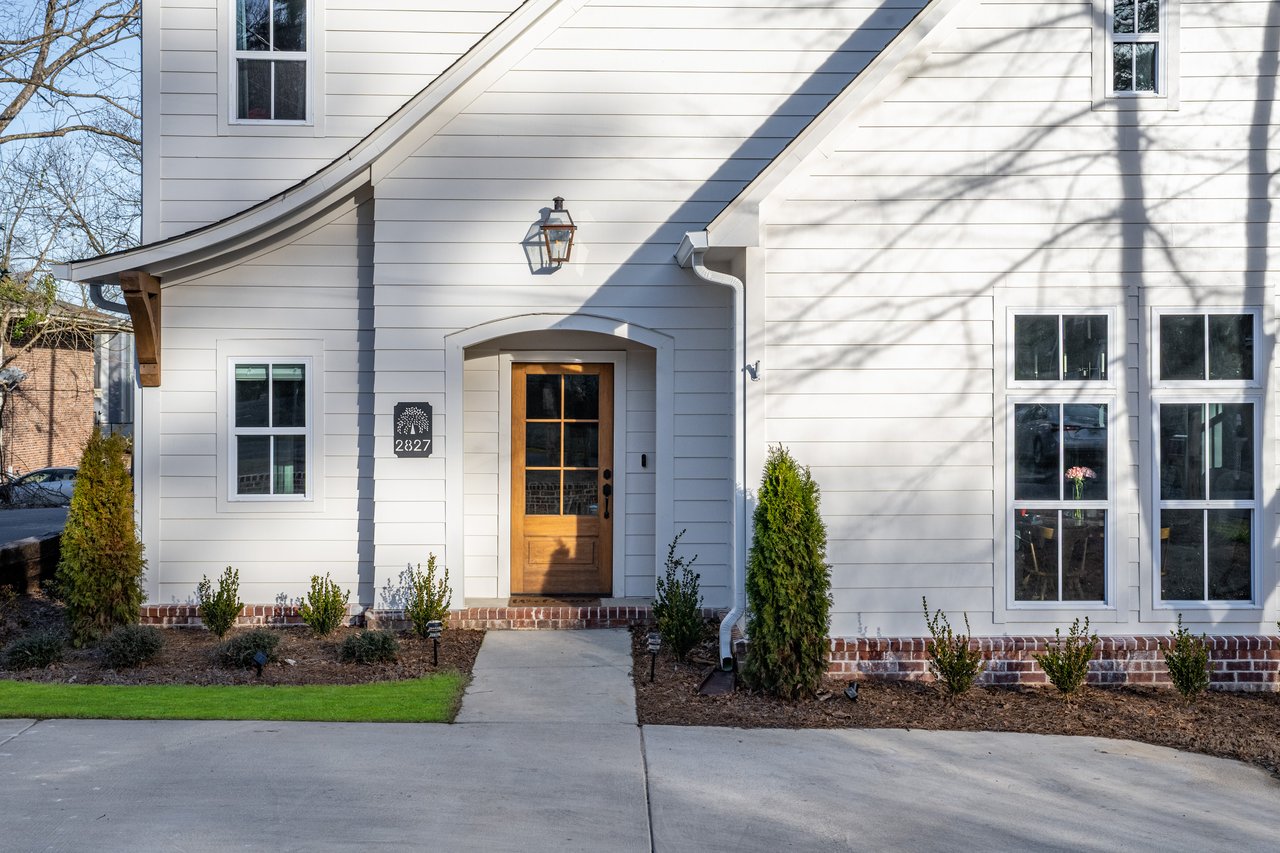
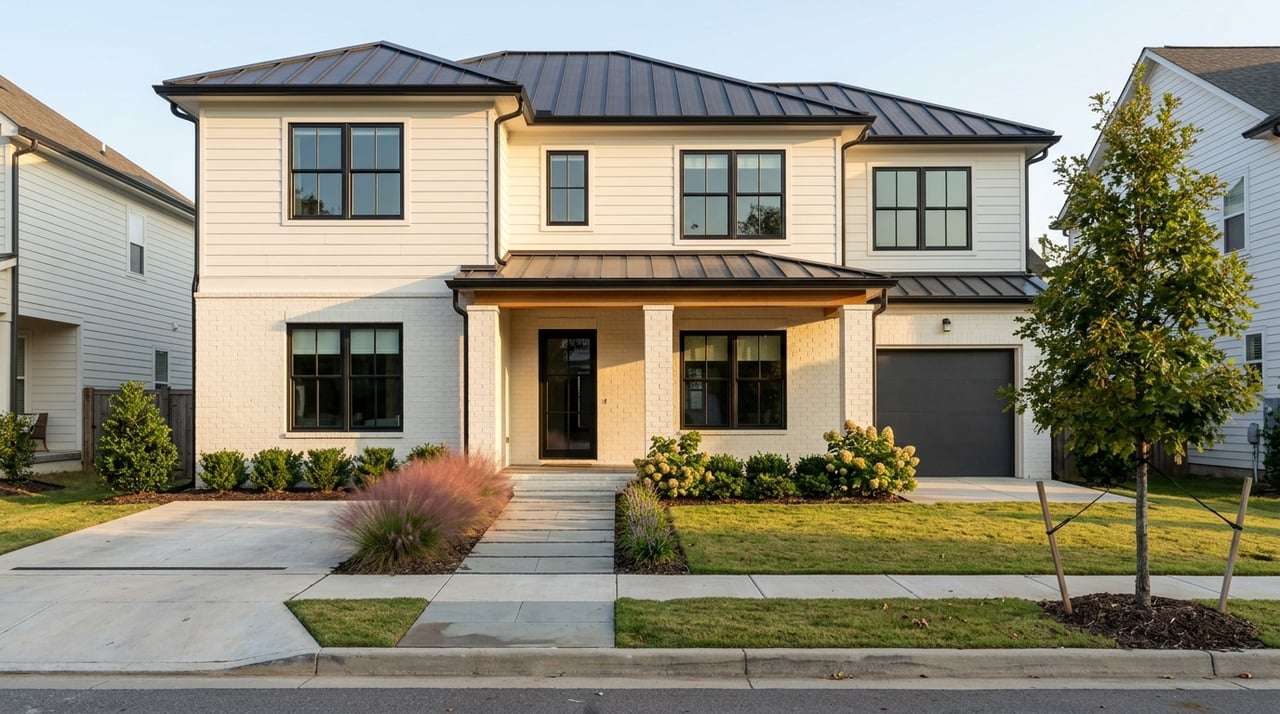
Thinking about buying an infill new construction home around Homewood? It can be a smart way to get modern layout, newer systems, and updated finishes in an established area, but not every new build is created with the same level of care. If you want to avoid expensive surprises and spot the difference between polished and rushed work, there are a few local details worth checking before you fall for the pretty kitchen. Let’s dive in.
Infill construction in Homewood is not just about dropping a new house on an empty lot. The city uses district-specific zoning rules for things like lot area, lot width, setbacks, height, density, and site coverage. Homewood also has a Neighborhood Preservation District that is meant to recognize historic development patterns and encourage more consistent residential form.
That matters because a home should be evaluated based on the rules for its zoning district, not just whether it looks similar to nearby houses. A house can feel too large or awkward on a lot even if the finishes inside are beautiful. In Homewood, the fit of the house on the site is a big part of the story.
Before you focus on paint colors and appliances, step back and look at the property as a whole. In infill construction, the lot often tells you a lot.
Homewood requires a proposed-house survey showing setbacks before a building permit is issued. The city also applies district-specific standards for setbacks, height, lot width, and coverage.
As a buyer, you do not need to memorize code sections. You just want to ask a simple question: does the house sit comfortably on the lot, or does it feel crowded into every inch of space? If the front, sides, or rear feel unusually tight, that is worth a closer review.
On an infill lot, driveway design can make daily life either easy or annoying. Homewood requires builders to coordinate driveway connections with the Street Department when tying into a city street, and other access approvals may apply depending on location.
When you tour the property, pay attention to:
A driveway that technically works is not always the same as one that works well.
Drainage issues are not flashy, but they matter. Homewood requires erosion-control documentation when dirt is disturbed, and development in a Special Flood Hazard Area needs a Floodplain Development Permit.
If the home is in a Special Flood Hazard Area, new residential construction must elevate the lowest floor, including a basement, at least one foot above the highest base flood elevation. Even if the home is not in that area, you should still look at how the yard slopes, where water will move, and whether grading appears intentional.
Trees are a major part of Homewood’s character, and the city has a tree ordinance that requires permits before removing or pruning certain trees. For new single-family and multi-family dwelling units, tree-permit applications and tree inventories are part of the process.
That does not mean every lot will keep every tree. It does mean you should pay attention to whether mature trees were preserved where possible, whether the lot feels stripped bare, and whether replacement landscaping looks thoughtful or rushed.
A clean-looking house is great. A documented process is better.
Homewood’s Inspections & Permits department handles plan review, building permits, inspections, and Certificates of Occupancy. The city also requires final inspections before a Certificate of Occupancy is issued.
For a new construction buyer, this is an important baseline. You should ask whether the builder can provide records related to the survey, final inspections, and Certificate of Occupancy so you can understand how the home moved through the local process.
Homewood posts Planning Commission archives online, and the city also has a Historic Preservation Commission among its boards and commissions. In some cases, that can help you understand whether a project involved an agenda item, case packet, or ordinance-related review.
This is especially useful if the property feels like a unique fit for the lot or street. It can give helpful context about what was reviewed during the approval process.
Jefferson County’s tax assessor and GIS property search tools can help confirm parcel identity and lot history. You can search by owner name, property address, account number, and sale date range.
That is useful when you want to confirm whether the lot was recently split, transferred, or redeveloped. On infill homes, a little parcel homework can answer a lot of questions.
City inspections focus on code compliance. They do not tell you whether the layout is smart, comfortable, or efficient for daily life.
When you walk through the home, ask yourself whether the plan feels intentional for the lot size and neighborhood scale. The best infill homes make smart use of space instead of trying to cram in every trend.
A few things to look at closely:
A brand-new home can still feel awkward if the circulation is clunky.
This is where rushed construction often reveals itself. One beautiful room does not mean the whole house was executed well.
Pay attention to consistency in:
You are not just looking for luxury materials. You are looking for care, repetition, and follow-through.
A polished home usually feels visually connected from room to room. Ceiling transitions, window placement, and finish selections should feel like part of one plan, not a string of separate decisions.
If the house feels choppy, overbuilt for the lot, or oddly proportioned, trust that instinct and dig deeper. Infill works best when design and site planning support each other.
A new house is still a house, and new construction can still have defects. Homewood’s inspection process is important, but it is not a substitute for a buyer-focused home inspection.
In Alabama, home inspector licenses are issued to individuals, not businesses. That means you should confirm the inspector’s name and license before hiring.
This step matters even more with infill construction, where homes may be built on tight lots with more site constraints than a typical suburban subdivision. A licensed inspector gives you an extra layer of review focused on defects and workmanship, not just code milestones.
A lot of buyers assume a new house automatically comes with a detailed written warranty. In Alabama, the Home Builders Licensure Board says builders are not required by licensure law to provide one, even though many licensed builders do.
That means you need to ask clear questions instead of making assumptions.
The Alabama Home Builders Licensure Board provides a license-verification search and advises consumers to call if a builder does not appear on the web list. Before you get too far down the road, verify that the builder was properly licensed for the work.
That is not just a paperwork issue. It also matters if a serious dispute ever comes up later.
Ask for specifics in writing wherever possible. The most useful questions are usually the plainest ones.
Ask about:
If the answers feel vague, that is information too.
The Alabama Home Builders Licensure Board says the Homeowners’ Recovery Fund may provide up to $30,000 toward actual economic damages after a judgment against a licensed builder, if the builder was licensed at the time of the work and contract. The same consumer guidance says complaints generally must be filed by the original homeowner and are typically within six years of substantial completion or possession.
This is not a reason to relax. It is a reason to verify the builder, understand the paperwork, and keep good records from the start.
If you want the quick version, here is where I would focus first on an infill new construction home around Homewood:
None of this is about being negative. It is about being clear-eyed. A well-built infill home can be a great fit, but you want to buy the whole package, not just the staging.
If you are weighing new construction around Homewood, I can help you read past the surface and focus on the stuff that actually matters once you move in. When you want candid guidance on infill, builder quality, or whether a house really fits the lot, connect with Roxanne Hale.
Stay up to date on the latest real estate trends.
Based in Birmingham, I help clients buy, sell, build, and relocate across the region’s most sought-after communities — from Homewood, Mountain Brook, Vestavia, and Hoover to Cullman, Decatur, Huntsville, and beyond.