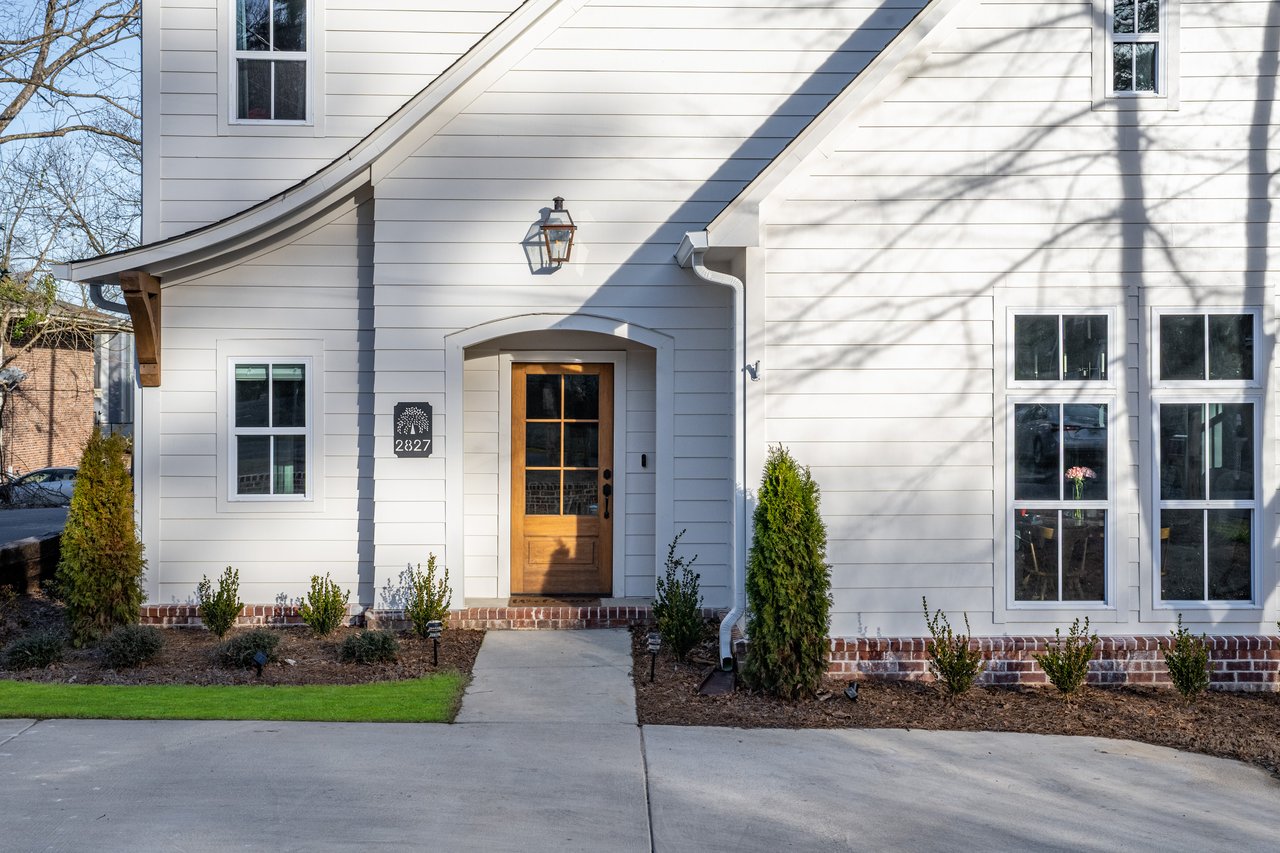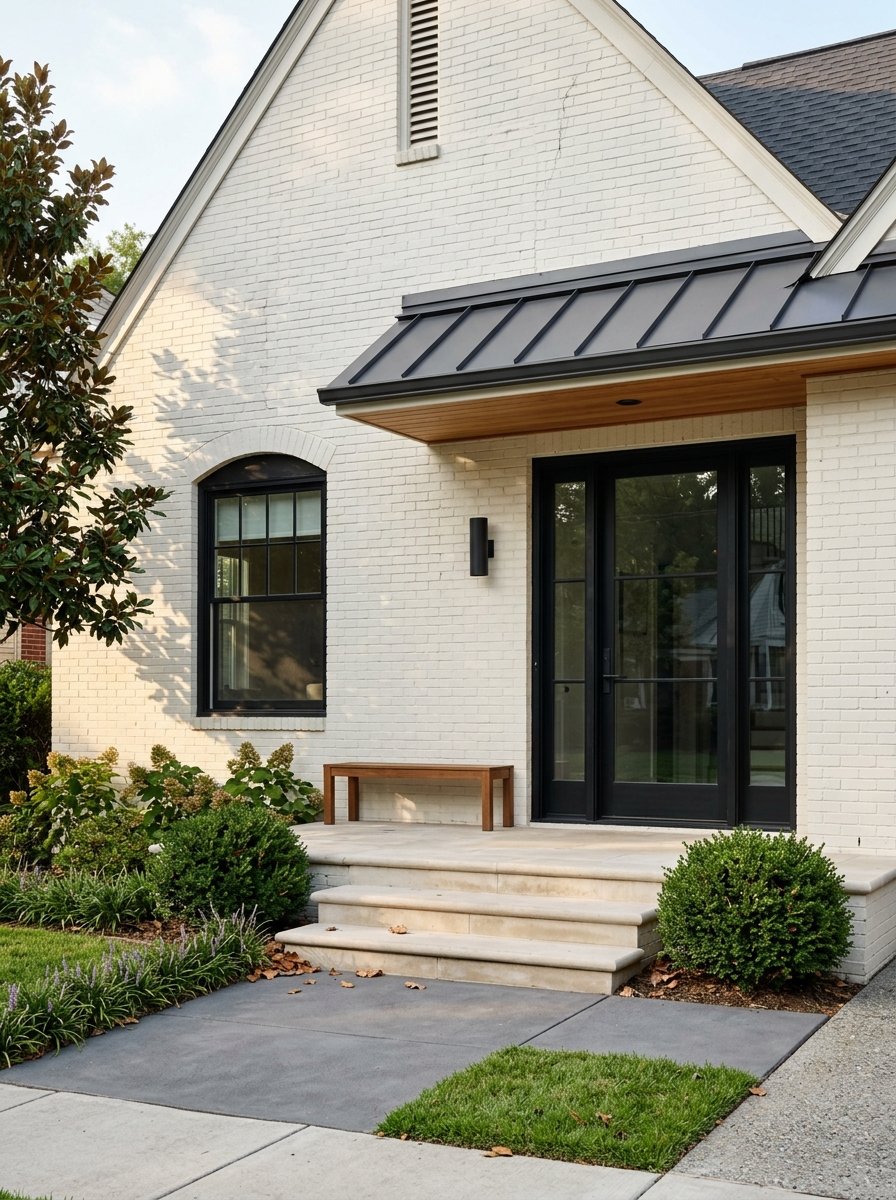
New Construction vs Historic Homes Around Birmingham’s Core
July 2, 2026
July 2, 2026
Trying to choose between a brand-new home and a historic one near Birmingham’s core? This is where buyers can get stuck fast. You may love the charm of an older home, but also want fewer surprises, better efficiency, and a simpler move. The good news is that this is not really a right-or-wrong decision. It is a fit decision. If you understand the tradeoffs clearly, you can buy with a lot more confidence. Let’s dive in.
In Birmingham, home age tells only part of the story. A better way to think about the market is by neighborhood, lot, and condition.
The city has 110,757 housing units, and the median owner-occupied home value is $189,800. In the Birmingham metro area, that median is higher at $263,900. That gap shows how much value can shift depending on where you buy and what kind of property you choose.
Birmingham also has a meaningful number of locally regulated historic areas. The city administers 44 Historic Districts and 26 Commercial Revitalization Districts, which means many in-town properties come with more review and process than a typical newer subdivision.
That is why comparing new construction to historic homes around Birmingham’s core is so useful. You are not just choosing a style. You are choosing a lifestyle, a maintenance path, and a level of complexity.
If you are drawn to older homes, Birmingham gives you real variety. In ZIP code 35205, which works as a helpful in-town proxy, 32.6% of housing units were built in 1939 or earlier.
That same ZIP also shows a denser and more mixed housing stock than many buyers expect. Only 27.2% of units are detached single-family homes, while a large share are in multifamily buildings. In simple terms, the historic core often offers older, smaller, and more varied housing choices.
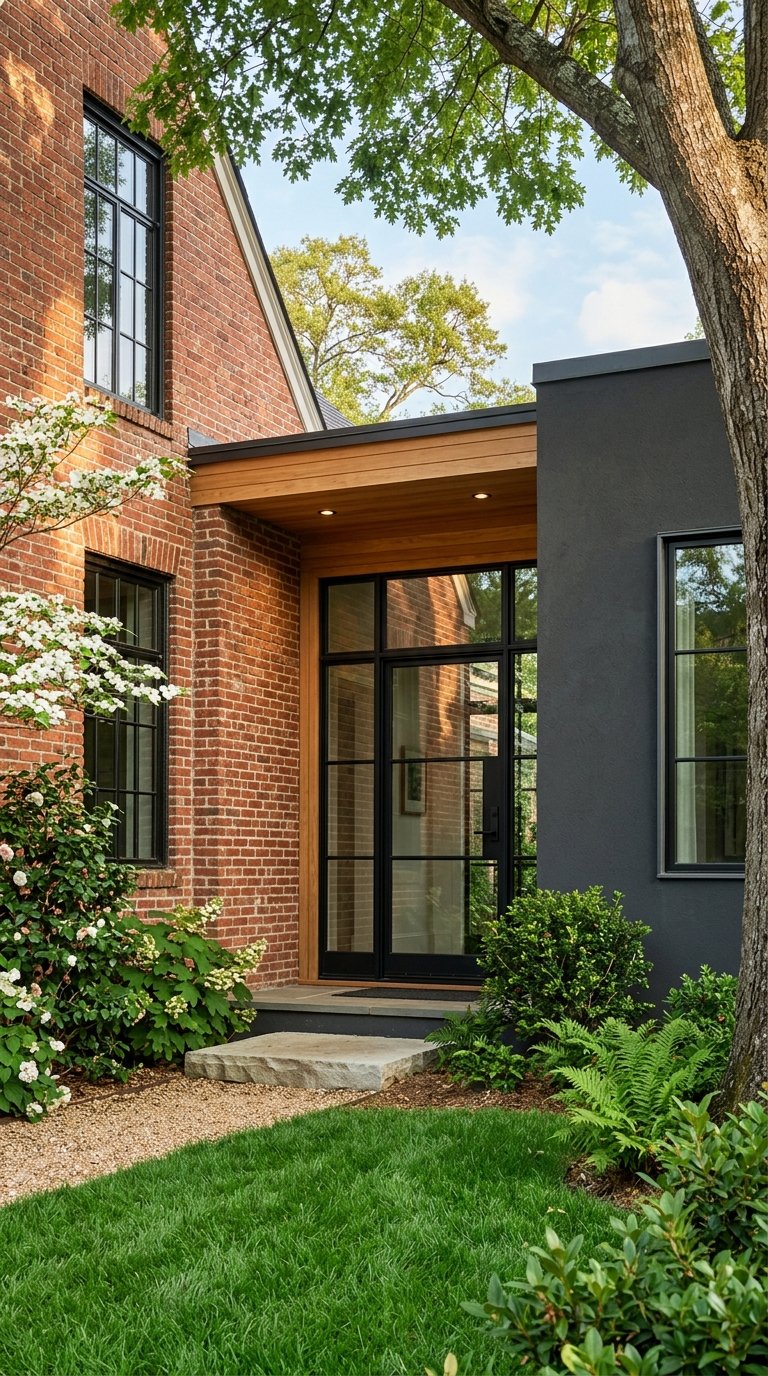
That variety is part of the appeal. You may find architectural details, established streetscapes, and locations that feel hard to replicate in newer developments.
Birmingham’s local historic districts include areas such as Highland Park, Forest Park, Avondale Park, Red Mountain Suburbs, and Roebuck Springs. In these districts, exterior work and visible changes may be reviewed by the city’s Design Review Committee.
That review can apply to improvements, repairs, rehabilitation, demolition, painting, and maintenance affecting exterior or visible areas. Properties in local historic districts also use a Certificate of Appropriateness process.
This does not mean historic ownership is a bad idea. It does mean you should go in with your eyes open. If you plan to change windows, update exterior materials, repaint, or tackle larger renovations, the process may take more planning than it would in a newer area.
With older homes, the real question is usually not just price. It is what the first few years of ownership might ask from you.
Many buyers need to budget for inspections, system updates, insulation improvements, and a realistic renovation timeline. Older homes can absolutely be worth it, but they tend to reward buyers who are patient, organized, and comfortable with some unknowns.
New construction solves a different set of problems. If you want newer systems, more predictable performance, and fewer early maintenance surprises, it often checks those boxes.
In Birmingham, new homes are shaped by current code expectations. The City of Birmingham’s current Technical Code is effective October 1, 2024, and city inspection services enforce adopted building codes citywide.
For buyers, that matters in practical ways. New construction gives you a chance to buy a home built around current standards instead of updating an older one after move-in.
One of the biggest benefits of new construction is energy performance. Building envelope decisions, insulation, and mechanical systems are easier to optimize during construction than after the home is finished.
The U.S. Department of Energy says it is more cost-effective to add insulation during construction than to retrofit later. It also recommends a whole-house systems approach for new homes and major remodels.
ENERGY STAR certified homes are designed to exceed minimum code by at least 10%. Not every new home will carry that certification, of course, but the broader point still holds: newer homes are generally built with more efficiency in mind than many older homes.
A lot of people hear “new construction” and picture outer-ring subdivisions. Around Birmingham, that is only part of the story.
There are also infill and rebuild opportunities in established neighborhoods. Birmingham’s Land Bank has supported ground-up homes in Fountain Heights, which shows that new construction can be part of the urban core conversation too.
The city is also exploring ADUs, and it notes that ADUs already exist in many historic neighborhoods, even though they are not currently permitted in all residential districts. For some buyers, that creates an interesting middle lane between a classic historic resale and a brand-new suburban build.
This is where I like to be blunt: charm is wonderful, but charm does not replace a roof, HVAC, insulation, or a realistic project budget.
On the other hand, a new home may offer convenience and efficiency, but it may not give you the same architectural character or central setting that draws buyers into Birmingham’s older neighborhoods in the first place.
Here is the cleanest way to compare the two:
| Factor | Historic Home | New Construction |
|---|---|---|
| Location pattern | Often in central, established neighborhoods | May be suburban, infill, or rebuild in established areas |
| Character | Older details and varied housing types | Modern layouts and finishes |
| Process | More due diligence, especially in historic districts | More standardized build and inspection process |
| Maintenance | Often higher near-term maintenance and repair needs | Typically lower near-term maintenance risk |
| Energy performance | Older homes may have less insulation and more air leaks | Easier to optimize under current code and newer systems |
| Predictability | More unknowns during ownership and renovation | More predictable systems and utility performance |
The smartest buyers in Birmingham are not asking, “Which is better?” They are asking, “Which tradeoffs am I actually willing to live with?”
That question usually comes down to three things: budget, project tolerance, and lifestyle priorities.
A historic home may be the better fit if you:
Historic homes can be strong long-term holds when you care most about scarcity, centrality, and the feel of an established neighborhood. But they usually work best for buyers who can handle process without losing their minds.
New construction may be the better fit if you:
If your life is already full, and you do not want your house to become your second job, that matters. Convenience is not shallow. It is a real priority.
In Birmingham’s core, this choice is not always historic versus suburban new build. Sometimes the best answer is a middle option.
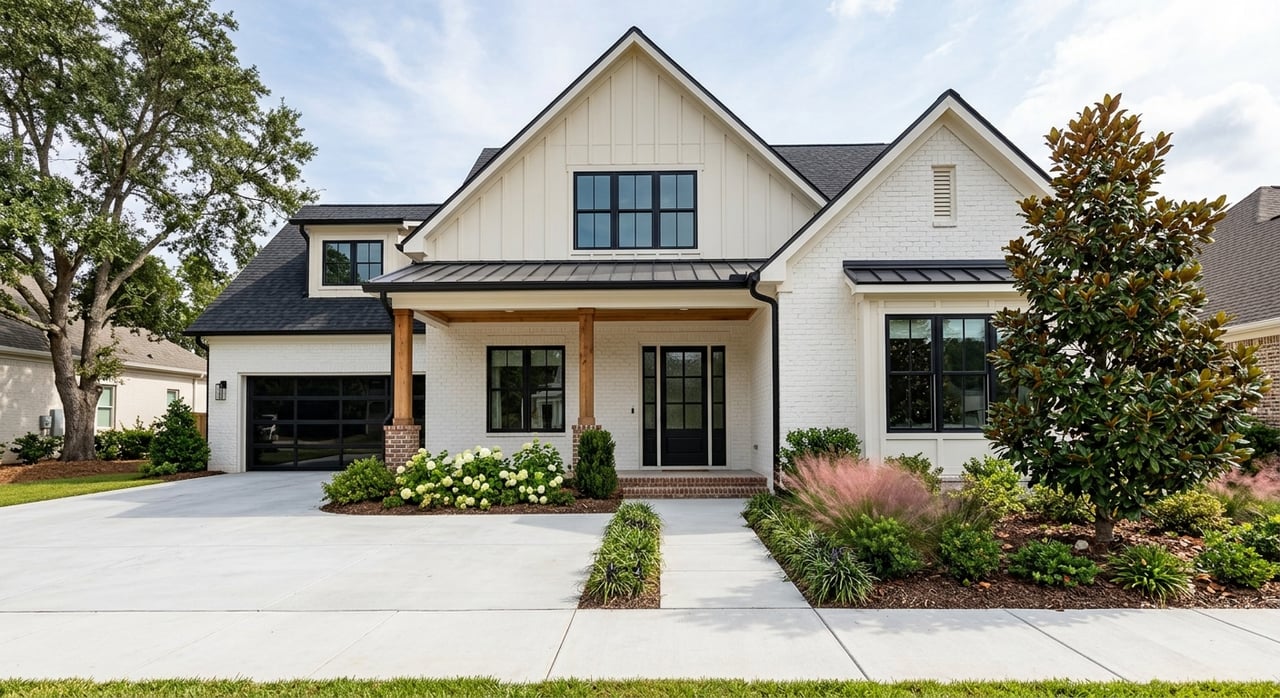
That could mean an infill home in an established area, a rebuild on a well-located lot, or a newer home tucked into an older neighborhood pattern. For buyers who want location but also want newer systems, this can be the sweet spot.
This is also where builder knowledge matters. Not all new construction is equal, and not all older homes are money pits. You need to look closely at build quality, lot context, renovation scope, and what your day-to-day life will actually feel like in the house.
Around Birmingham’s core, the new construction versus historic home debate is really about fit, not superiority. Historic homes often offer character, central location, and a sense of place, while new construction tends to offer efficiency, predictability, and less immediate upkeep.
The right choice depends on what you want your next few years to look like. If you want the story and texture of an older home, be ready for more homework. If you want a cleaner path and newer systems, new construction may be the smarter move.
If you want candid guidance on resale, infill, tear-down rebuilds, or how to weigh these tradeoffs in Birmingham, connect with Roxanne Hale. She brings builder-level new construction expertise and practical local insight to help you make a decision that fits your life, not just the listing photos.
Stay up to date on the latest real estate trends.
Based in Birmingham, I help clients buy, sell, build, and relocate across the region’s most sought-after communities — from Homewood, Mountain Brook, Vestavia, and Hoover to Cullman, Decatur, Huntsville, and beyond.