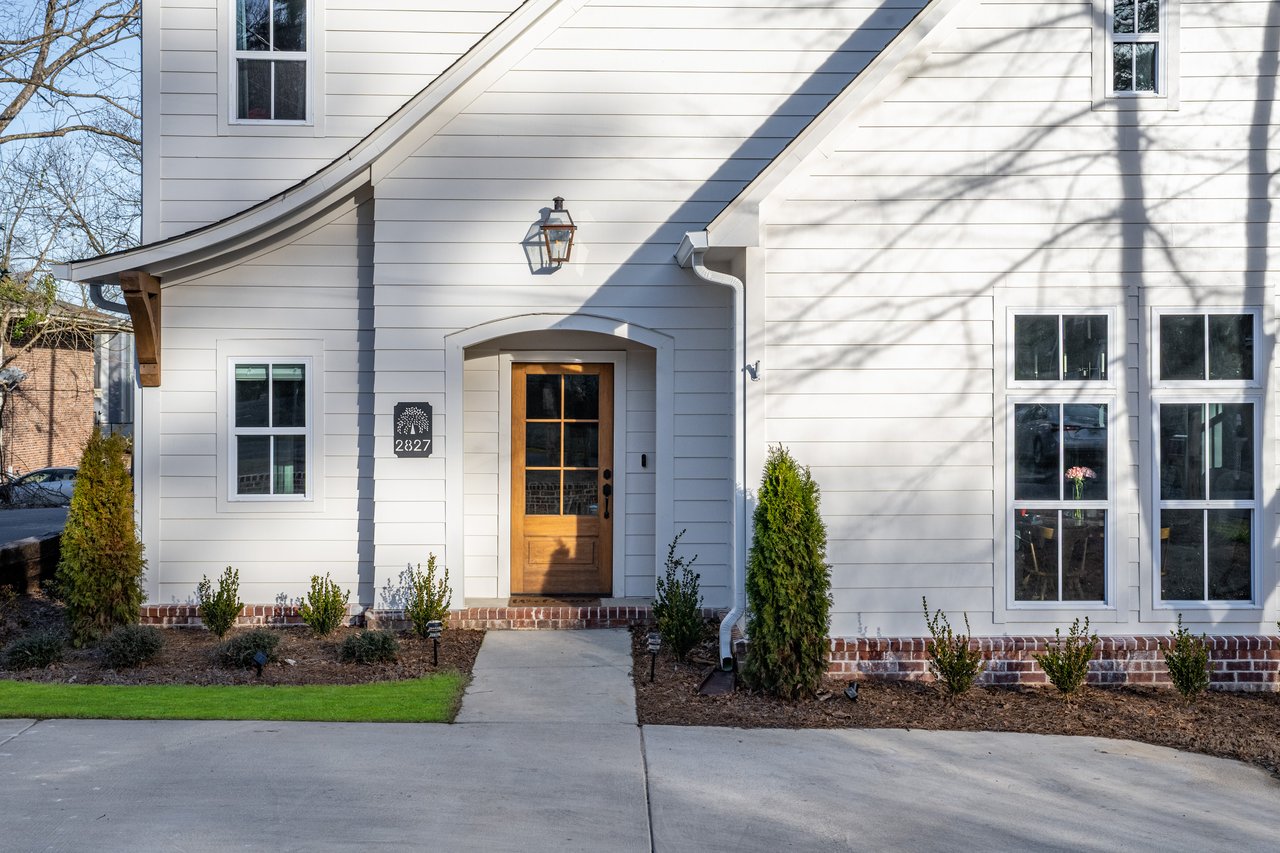
Selling An Inherited Home In Homewood: An Overview
June 11, 2026
June 11, 2026
If you have inherited a home in Homewood, you are probably dealing with more than a real estate decision. You may be sorting through probate, family coordination, paperwork, clean-out, and a lot of emotions at the same time. The good news is that a clear plan can make this process much more manageable. Let’s walk through what selling an inherited home in Homewood usually involves, what to do first, and where local timing and market conditions matter.
Before you think about photos, repairs, or pricing, confirm who has legal authority to act for the estate. In Alabama, real property passes to heirs or devisees at death, but it still remains subject to estate administration, creditor rights, allowances, and the duties of the personal representative.
That practical detail matters more than most families expect. If you start donating items, hiring contractors, or signing listing paperwork before authority is clear, you can create delays or disagreements later. In most inherited-home situations, the first call should be to the attorney handling the estate.
Jefferson County notes that many self-proved wills can be admitted without a hearing if the correct petitions and waivers are filed. A hearing is generally required if the will is not self-proved or if minors, incapacitated persons, or unknown next-of-kin are involved.
The county also notes that testate and intestate estates must remain open for at least six months. So even in a smooth estate, timing may not move as fast as a typical resale. If your goal is to sell quickly, it helps to build the listing timeline around those probate milestones from the start.
Most inherited-home sales go more smoothly when each person handles their lane.
According to the IRS, many estates use both attorneys and tax professionals, and may also need appraisers, surveyors, or financial advisors depending on the property and estate.
Inherited-home sales tend to slow down when basic documents are missing. Getting organized early saves time later, especially once buyers start asking questions and closing parties need paperwork.
A good starting file often includes:
Jefferson County also maintains land records through its recording office. That can be helpful if you need to verify past conveyances or property details as the sale moves forward.
Tax questions make many inherited-home sellers nervous, but the basic Alabama framework is more straightforward than some people expect. The Alabama Department of Revenue says estates with a date of death after December 31, 2004 are not required to file with Alabama for estate and inheritance tax, and Alabama estate tax waivers are no longer required for those estates.
That does not mean every tax question disappears. If the estate generated income, fiduciary income-tax filing requirements may still apply, and federal tax issues can still matter depending on the estate.
For federal tax purposes, inherited property usually receives a basis equal to the fair market value on the date of death. In plain English, that means if the home is sold soon after inheritance, the taxable gain may be small or even zero.
This is one reason families often bring in both a CPA and an appraiser early. You want to understand the numbers before you price the property or accept an offer, not after closing when tax season rolls around.
Once authority is clear, the next step is figuring out what condition the property is really in. Inherited homes often have deferred maintenance, older systems, or years of accumulated belongings. Some need very little. Others need a practical, selective plan before they are ready for the market.
A pre-sale inspection is optional, but it can be very useful. NAR notes that it can help identify problems before showings begin and help you decide whether repairs are worth making.
You do not need to renovate everything to sell well. In many cases, simple work creates the biggest payoff in speed, buyer confidence, and presentation.
NAR recommends steps like:
If time or cash is limited, this is where smart triage matters. A clean, bright, well-presented house often performs far better than a half-finished project list.
This is usually the biggest strategy question: should you sell the inherited home as-is, or make a few improvements first?
An as-is sale means the seller is not making guarantees and does not plan to make repairs, even if the buyer conducts inspections. But that does not remove disclosure obligations. Sellers still need to disclose material defects and other conditions that affect value as required under state and local law.
Selling as-is can be the right choice if:
That said, as-is does not mean buyers will ignore condition. They may still inspect the home and negotiate based on what they find.
If the house is fundamentally solid, a few targeted improvements can improve your outcome. NAR’s 2025 Remodeling Impact Report says the projects REALTORS® most often recommend before listing are painting the entire home, painting a single room, and replacing the roof.
You do not want to over-improve an inherited property. But if a roof, HVAC system, appliance, or another major item needs work, getting repair estimates can help you compare the likely return of fixing it versus pricing around it.
Pricing an inherited home is part market analysis and part strategy. NAR says a listing price should reflect the home’s size, location, amenities, condition, comparable sales, current market conditions, and your timeline.
That last part matters. If the estate wants speed, the best offer is not always the highest offer on paper. Cash, fewer contingencies, and stronger certainty can matter just as much when the goal is a clean closing.
Current Homewood market snapshots point to an active market, though the exact figures vary by source and methodology. Zillow reported an average Homewood home value of $566,121, up 4.6% year over year, with homes going pending in around six days as of April 30, 2026.
Redfin reported a median sale price of $526,398 over the prior three months, with 31 days on market and 37.2% of homes selling above list price. The numbers are different, but both reports suggest a competitive market where pricing and presentation still matter.
Inherited properties are rarely priced the same way as fully updated owner-occupied homes. If the house still needs clean-out, repairs, or cosmetic updates, the price should reflect that reality clearly.
This is where candid guidance matters. Overpricing to “leave room” often costs time, attention, and leverage. A sharp, realistic price can create stronger interest and better offers, especially in a market where buyers move quickly when the value is obvious.
Many sellers want to know the best week or month to list. Realtor.com identified April 12 through 18, 2026 as the best national week to list based on views and selling pace. That can be useful context, but inherited-home sales do not run on a generic calendar.
The best time to list is when the estate is actually ready. That means authority is in place, the property is cleaned out or at least show-ready, disclosures are reviewed, and photography can present the home well.
A practical sequence often looks like this:
This kind of step-by-step plan helps you avoid a common mistake: rushing to market before the estate is ready, then chasing problems during the contract period.
Inherited-home sales often involve multiple heirs, and that can add stress even in close families. The easiest way to reduce friction is to make decisions in the right order.
Start with authority, then condition, then budget, then pricing, then timeline. When everyone is reacting to the same facts instead of assumptions, the process usually gets easier.
If more than one family member is involved, try to answer these questions up front:
Clarity here saves a lot of second-guessing later.
Homewood is not a market where you want to guess. Buyer expectations, presentation standards, and pricing strategy can all change the outcome, especially if the home has older finishes, deferred maintenance, or lot value that affects how buyers view it.
Inherited-home sales also sit at the intersection of legal process, family decisions, and market timing. That is why the best support usually combines practical real estate strategy with close coordination alongside the estate attorney and tax professionals.
If you are sorting through an inherited home in Homewood, the goal is not just to get it sold. The goal is to make smart decisions, avoid preventable delays, and choose the preparation and pricing strategy that fits your timeline and the property’s reality.
When you are ready for a candid plan, local pricing guidance, and a step-by-step approach to selling an inherited property in Homewood, connect with Roxanne Hale.
Stay up to date on the latest real estate trends.


Based in Birmingham, I help clients buy, sell, build, and relocate across the region’s most sought-after communities — from Homewood, Mountain Brook, Vestavia, and Hoover to Cullman, Decatur, Huntsville, and beyond.