Finding Long-Term Family Value In Alabaster Homes
May 14, 2026
May 14, 2026
If you are trying to buy a home that still makes sense years from now, Alabaster deserves a close look. For many buyers, the goal is not just finding enough bedrooms today. It is choosing a home and location that can support daily life, hold resale appeal, and stay practical as your needs change. This guide breaks down what gives Alabaster long-term family value, where the tradeoffs are, and what to pay attention to before you buy. Let’s dive in.
Alabaster reads more like a stable, owner-occupied suburb than a short-term or highly transient market. The Census Bureau reports an owner-occupied housing rate of 87.1%, and 90.6% of residents lived in the same house one year earlier. That kind of stability often matters when you are thinking about day-to-day consistency and future resale.
The city also has a household profile that fits many move-up and family-focused buyers. Average household size is 2.78, and median household income is $91,357. Taken together, those numbers support the picture of Alabaster as a place where many households are putting down roots rather than treating housing as a quick stop.
There is a tradeoff, and it is worth saying plainly. Alabaster is more commuter suburb than walkable town center. The mean commute time is 30.6 minutes, and current market sources describe it as a car-first area, so long-term value here is usually tied more to space, convenience, and livability than to a highly walkable lifestyle.
Current market data show 206 homes for sale in Alabaster, with a median listing price of $365,000 and a median sold price of $319,900. Median days on market are 35, and the median price per square foot is $160. Realtor.com also reported an average 100% sale-to-list ratio in March 2026 and classified Alabaster as a seller’s market.
That matters for buyers because well-priced homes are still moving close to asking. In other words, you do not want to focus only on getting a deal and miss the bigger picture. In a market like this, the better long-term play is often choosing the right layout, lot, and location from the start.
Price can also shift depending on where you look. Reported ZIP code medians show about $364,900 in 35007 and about $430,000 in 35114. If you are comparing homes across Alabaster, that difference is a reminder to look beyond headline price and ask what you are getting in exchange for the higher payment.
If you are shopping for a typical family home in Alabaster, the current resale market gives a useful snapshot. A recent Redfin search for 3-bedroom, 2-bath homes showed 33 listings. Example sizes ranged from about 1,520 square feet to 2,658 square feet.
That range gives many buyers a practical middle ground. You can find homes with enough room for everyday living without jumping immediately into the largest or most expensive segment of the market. Some current listings also include features like pools, bonus rooms, and lots around 7,840 square feet.
This is where builder-style thinking helps. A house does not have to be huge to work well over time. What matters is whether the space can flex with your life, not just whether the square footage sounds impressive online.
For many buyers, long-term value is tied to the daily stuff you use again and again. In Alabaster, one of the strongest public signals is the local school district. Alabaster City Schools lists five schools, and the district recently reported a 94 on the Alabama State Report Card, its fifth consecutive A, along with a 99% graduation rate and a 99% college-and-career-readiness indicator.
Outdoor access is another plus. The city says Alabaster has 9 public parks, miles of trails, and public basketball, tennis, and pickleball courts. Oak Mountain State Park is also about 6 miles away and offers 11,681 acres, plus hiking, biking, horseback riding, and two swimming areas.
Everyday convenience also adds to the value equation. The public library offers digital borrowing, a makerspace, test proctoring, and notary services. On the retail side, the city reports more than 300,000 square feet of shopping space, with more planned near District 31 by exit 238, and the Promenade area includes major retailers such as Target, TJ Maxx, Belk, and Walmart.
If you want a home to serve you well for the next five to ten years, flexibility matters more than perfection. Current listings already show that bonus rooms, office space, and larger family rooms are common features buyers notice in this market. Those spaces can make a home work through job changes, new routines, guests, or a growing household.
Alabaster’s zoning standards also hint at the range of housing sizes you may see. Minimum livable floor area ranges from 1,200 square feet per unit in the R-5 district to 2,000 square feet for a one-story home and 2,400 square feet total in R-1. R-4 requires 1,400 square feet for one story and 1,600 square feet total.
That does not mean bigger is always better. It means you should look carefully at how a home functions. A dining room that can become a homework zone or office may add more real value than extra square footage that goes unused.
Outdoor space is another area where buyers should slow down and look past the listing summary. In Alabaster, zoning standards show meaningful differences in minimum lot area. Minimum lot sizes range from 20,000 square feet in R-1 to 15,000 in R-2, 10,000 in R-3, and 7,000 in R-4.
But a larger lot on paper does not always mean a better yard in real life. Setbacks, drainage, easements, slope, and the placement of the house can all affect how much of the outdoor space is actually usable. Current listings also show a mix of smaller lots, pools, and covered decks, which is a good reminder that function matters more than raw numbers.
If you are buying for long-term value, think about how you would really use the yard. A flat backyard with good privacy may serve you better than a larger lot that is hard to enjoy or improve.
This is the part buyers sometimes underestimate. Alabaster is about 23 miles from Birmingham and sits just off exit 238 on I-65. For many households, that location works well. For others, the day-to-day drive will be the deciding factor.
Redfin gives Alabaster a Walk Score of 10, which reinforces what locals already know. This is not a place where most errands happen on foot. If you are moving from a closer-in suburb or from renting in Birmingham, your real commute experience may shape your satisfaction just as much as the house itself.
In a market where homes are selling close to asking, convenience can also affect resale. A slightly higher purchase price near a more practical route may hold up better for the next buyer than a home that looks better on paper but creates daily friction. This is why I always tell buyers to test the actual drive, not just the map version.
The strongest case for buying in Alabaster is not hype. It is a practical mix of owner-occupied stability, detached-home options, strong public-school performance metrics, outdoor amenities, and everyday retail convenience. For many buyers, that combination supports both daily life and future resale.
The tradeoff is straightforward too. You are choosing a more car-dependent suburb, not a dense, walkable neighborhood. If that fits how you live, Alabaster can offer a compelling value story, especially when you focus on adaptable floor plans, usable yards, and commute tolerance instead of chasing the cheapest option.
If you want help sorting through those tradeoffs with real candor and a builder-trained eye for layout, quality, and resale, Roxanne Hale can help you evaluate the options and make a smart move.
Stay up to date on the latest real estate trends.
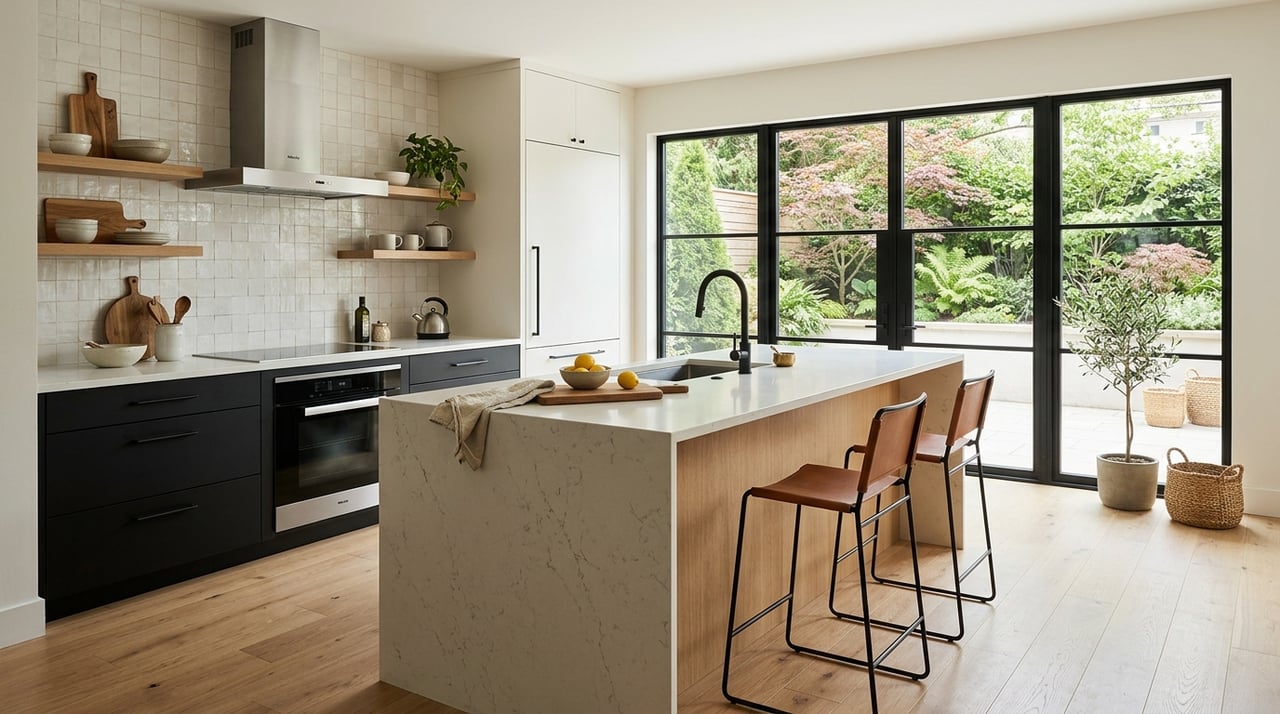
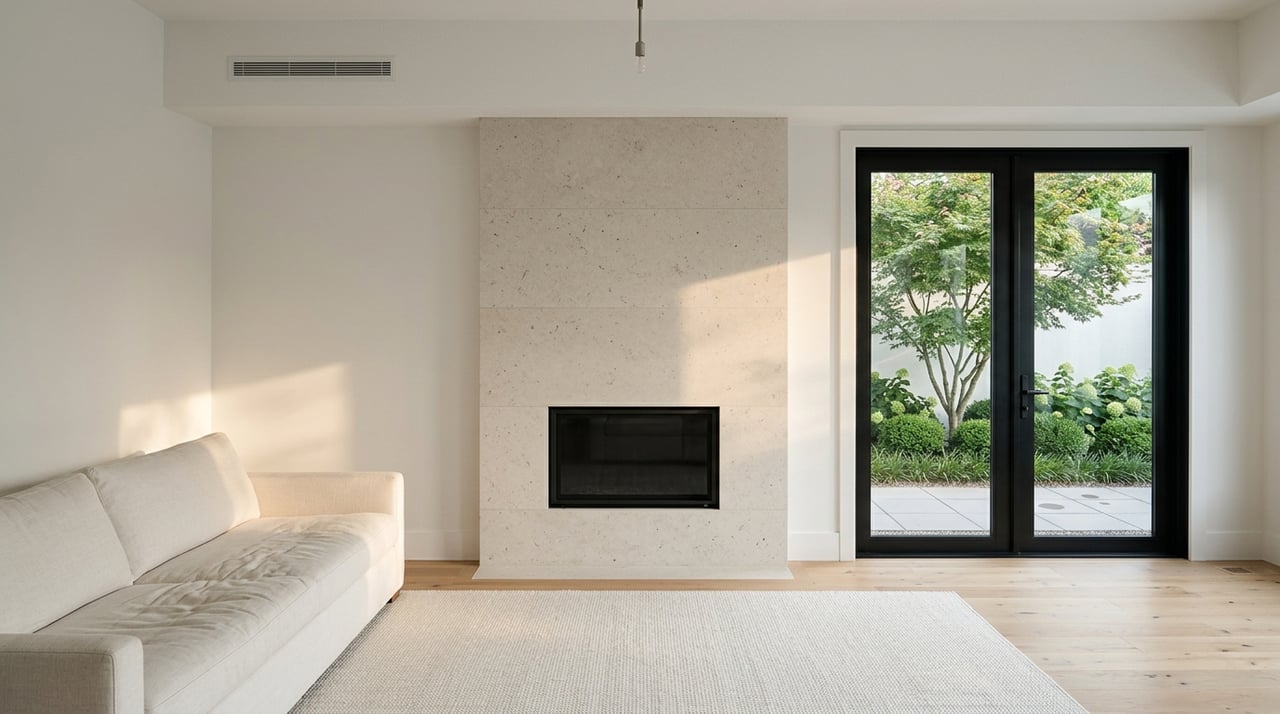
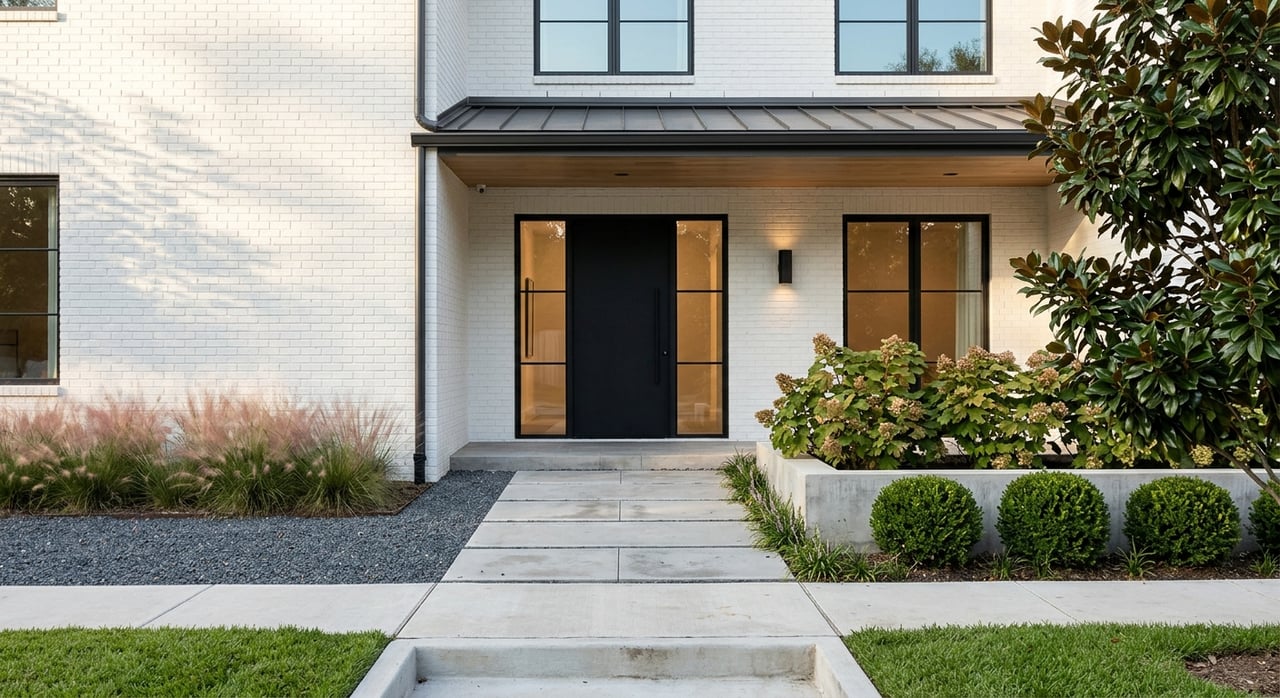
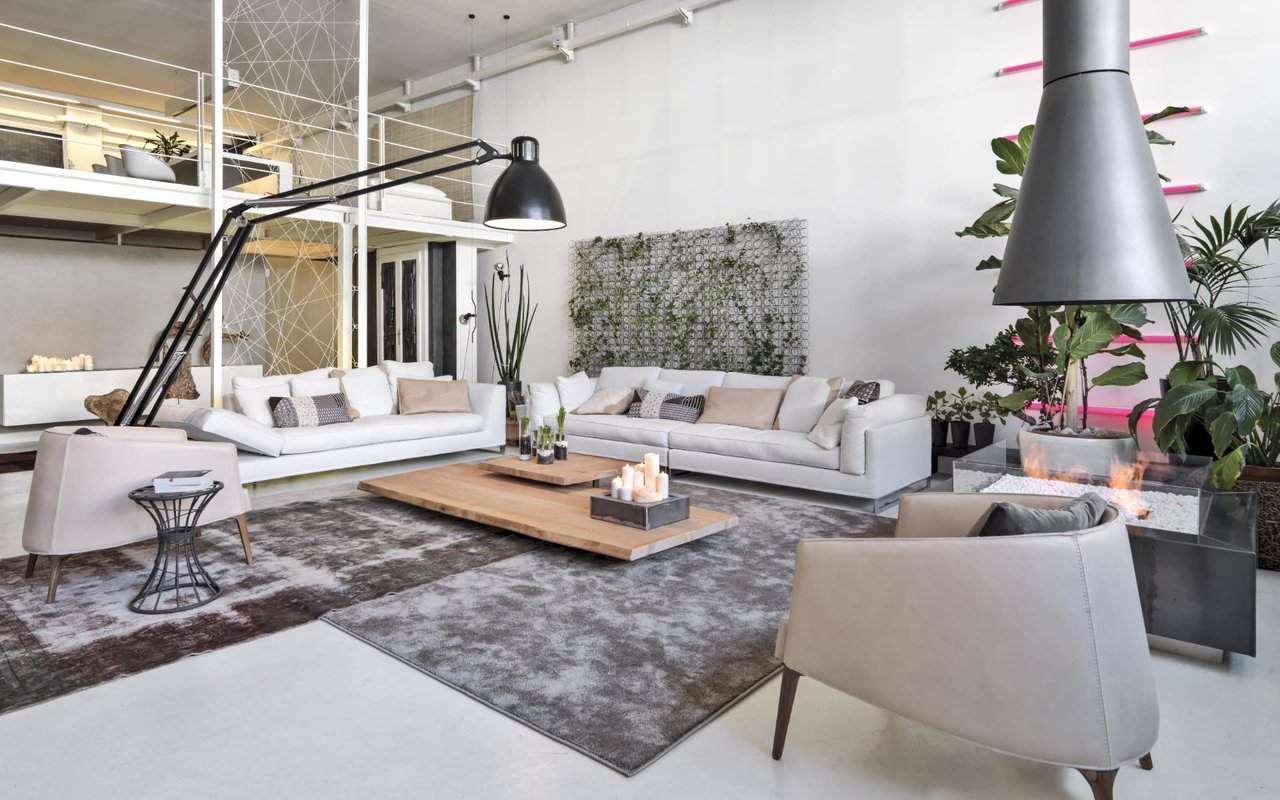
Each decision informs the next, and the designers are there the entire time to help clients stay cohesive—not trendy for trend’s sake, but timeless with personality.
If you’re thinking about moving to Birmingham or relocating somewhere in the metro, welcome—you’re asking the right questions.
If you’ve been anywhere near the Birmingham new-construction scene and haven’t heard of Harris Doyle Homes… Where have you been?!
Based in Birmingham, I help clients buy, sell, build, and relocate across the region’s most sought-after communities — from Homewood, Mountain Brook, Vestavia, and Hoover to Cullman, Decatur, Huntsville, and beyond.